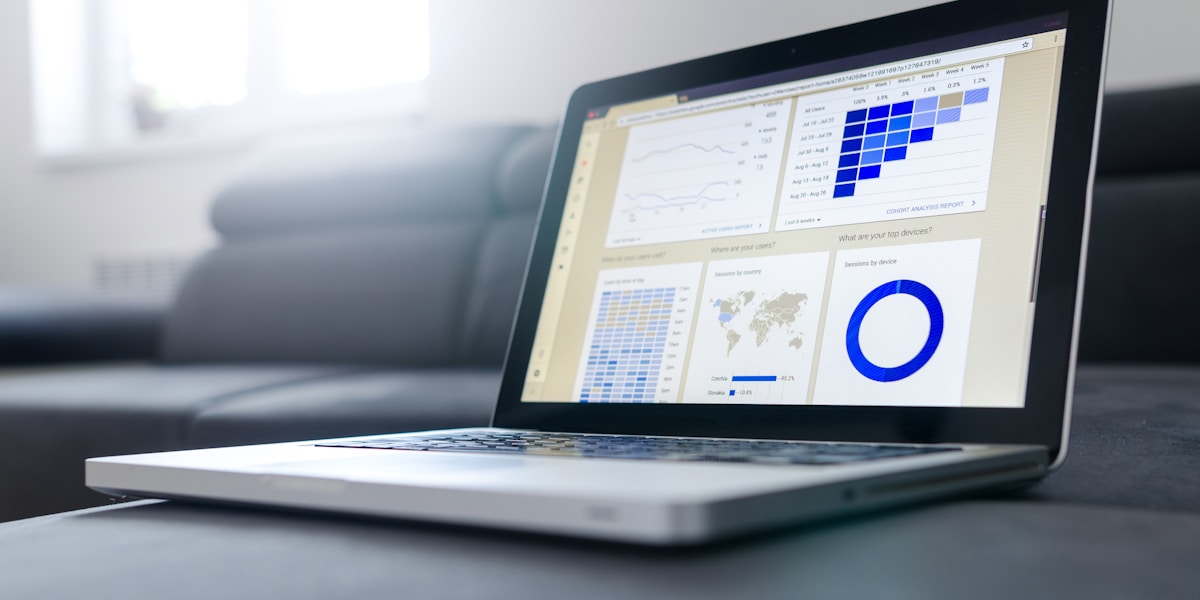
observability performance tools
APM Tools Comparison 2026: Choosing the Right Solution
An in-depth comparison of leading Application Performance Monitoring tools: Datadog, Grafana, Dynatrace, New Relic, and more.
Gain deep visibility into your systems with the three pillars of observability. Understand not just what went wrong, but why.
Modern observability is built on three complementary signals that together provide complete system visibility.
Discrete events that capture what happened in your system. Structured logs with context provide the forensic trail needed to debug issues.
Numeric measurements aggregated over time. Metrics tell you what is happening at a high level and help detect anomalies.
End-to-end request journeys through distributed systems. Traces reveal latency bottlenecks and service dependencies.
The most popular tools in the observability ecosystem.
Visualization and dashboarding platform for metrics, logs, and traces.
Time-series database and monitoring system for metrics collection.
Cloud-scale monitoring and analytics platform with APM.
Open-source distributed tracing platform by Uber.
Vendor-neutral standard for collecting telemetry data.
ELK stack for log management, search, and analytics.
An in-depth comparison of leading Application Performance Monitoring tools: Datadog, Grafana, Dynatrace, New Relic, and more.

Deep dive into logs, metrics, and traces - the foundation of modern observability for distributed systems.